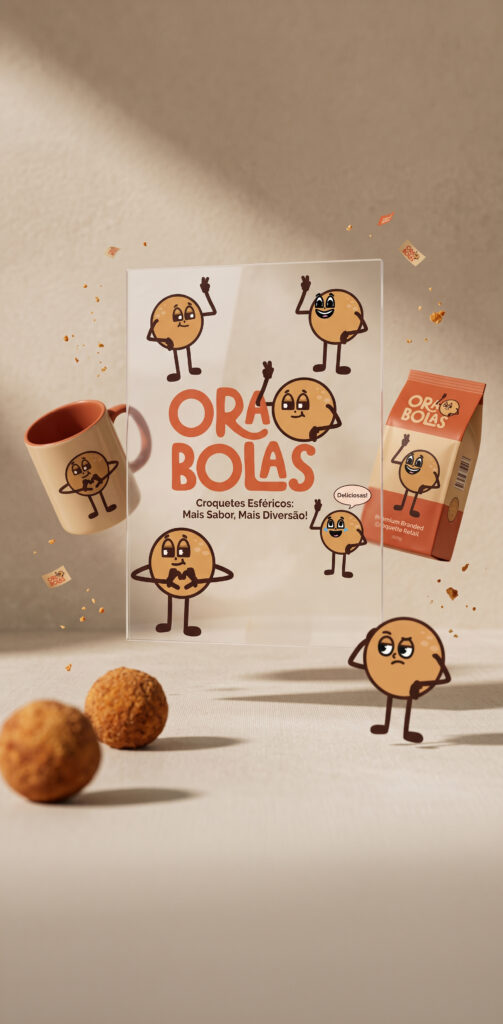
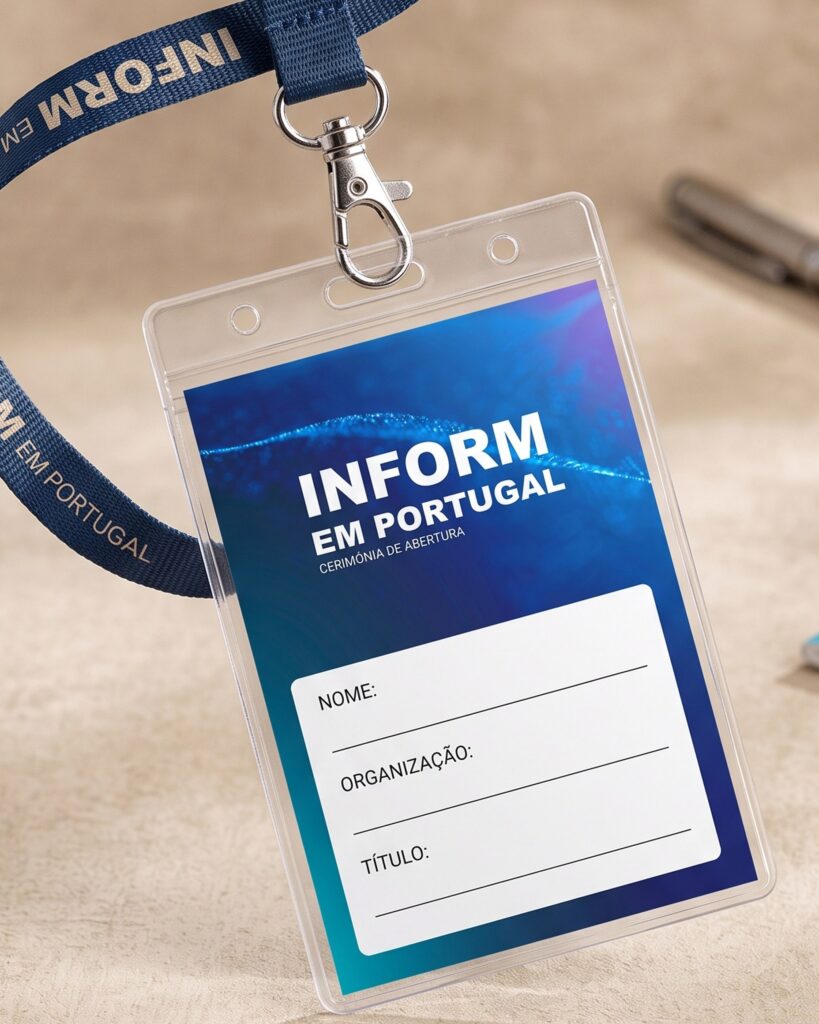
IDENTITY — OFFLINE / PRINT Brand & Identity
Visual identity systems built to hold up across every surface — from packaging and editorial to brand guidelines. A decade of giving brands a voice that's unmistakably theirs.
A decade shaping brands — now doing it with AI by my side.
I've spent the last 10+ years helping brands find their voice — through visual identity, digital campaigns and, more recently, AI. I write the design context AI works inside, direct the output it produces, and still believe the best work feels human, no matter what tool made it.
PRACTICE / 01
Brand craft and performance data feed the AI layer; the AI layer feeds craft and performance back. Nothing here is a side project — each area compounds the others.
IDENTITY — OFFLINE / PRINT Visual identity systems built to hold up across every surface — from packaging and editorial to brand guidelines. A decade of giving brands a voice that's unmistakably theirs.
Design built to perform — social content, campaign assets and digital experiences engineered for engagement, conversion and measurable results.
No weights changed, no private model — 38 books distilled by hand into rules a model can act on, so work made at volume comes out as ten ideas instead of one and still answers to grid and hierarchy.
See the method →
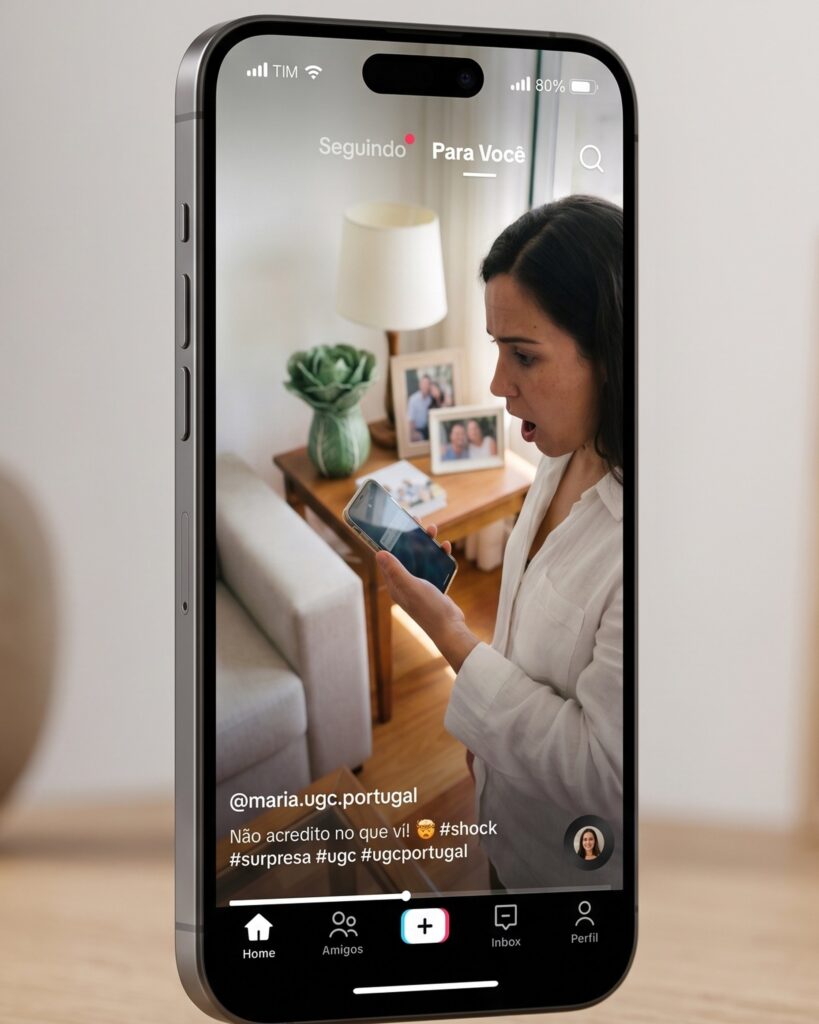
AI — CONTENT & UGC VIDEO AI-generated UGC-style video and content — scalable, on-brand creative that feels native to the platform, without the production overhead.
ARCHIVE / 02
Offline work, performance campaigns and AI-native output, filed the way a working studio actually keeps its records — brief, execution, result.
No case files in this category yet.
CONTEXT / 03
Four working references, written by hand. I chose the books, read them, and pulled each one apart into rules a model can act on — then corrected the output round after round until the answers held. Where two authors contradict each other, the file says which one wins and why. That judgement is mine, and it is where the hours went.
What did not happen is fine-tuning. No weights were changed and there is no private model here — the model is the same one you have. What is different is what it knows at the moment a decision gets made: the difference between a model that answers “I’d avoid that brown” and one that answers “brown and grey to signal premium returns petit-bourgeois, old-fashioned and ugly — Heller, two thousand respondents. If we want premium, that is the cost.”
The second sentence is the work. See how it holds up →
38 books · 53 reference sheets · ~344,000 words. The illustration layer is organised by subject rather than one sheet per book, so its sheets are in the 53 and not in the 38 — the awkward number rather than the round one.